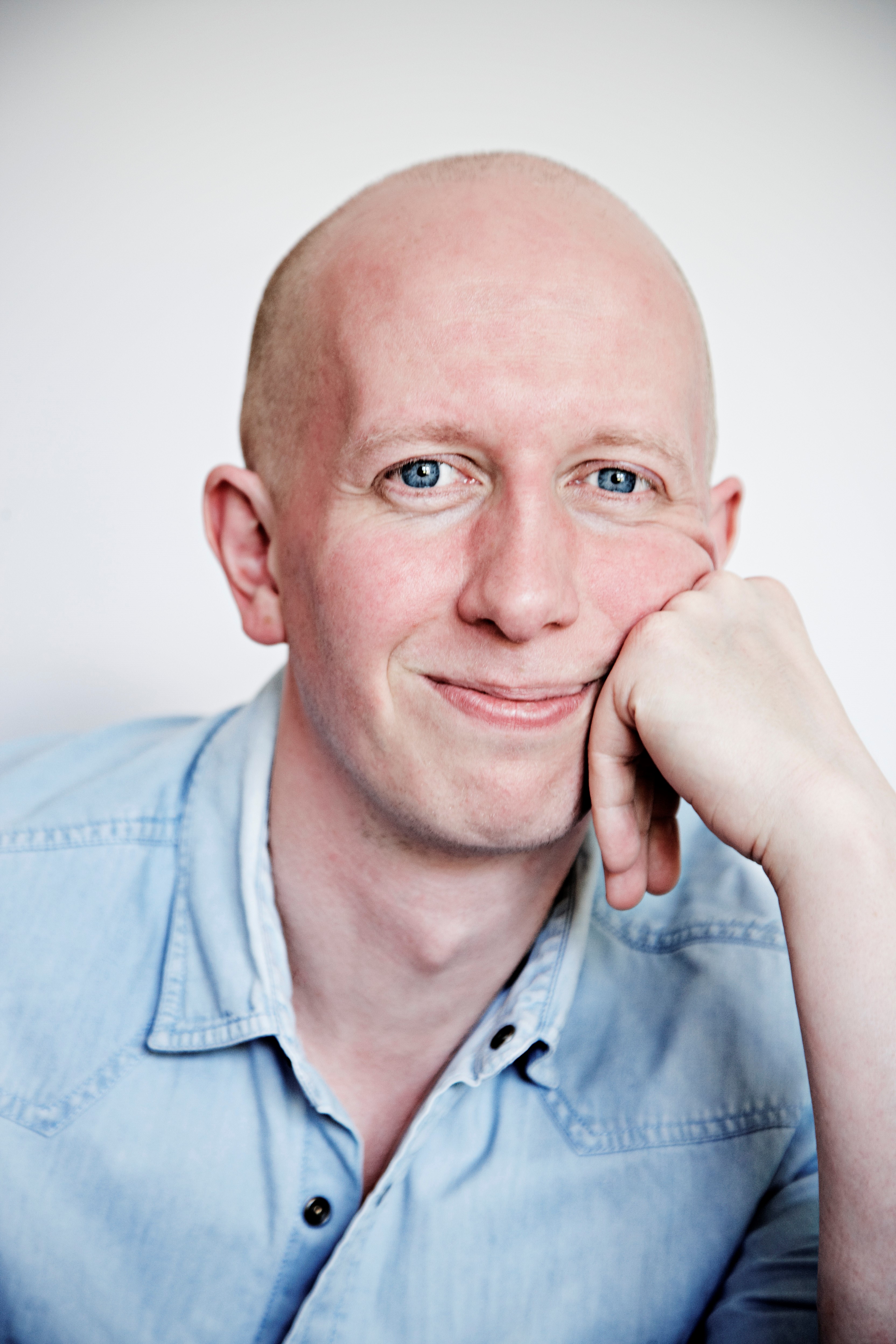
Piers Torday is the author of the middle grade novel The Last Wild, a unique book that deals with a topic usually dealt with in nonfiction with children– climate change. I asked Piers why he chose to write fiction on this topic for children instead of teens or adults, and he wrote this guest post for us here. Having just returned from vacation in Alaska, where my children actually held a chunk of melting glacier in their hands, this hits home for me. For them, it was a novelty and photo opportunity, although I found it to be pretty disturbing to see the pieces melting in front of me. Now that I’m home and have read what he has to say, I think it’s very important for there to be books like his, that appeal to the imagination while creating an opportunity for awareness of this situation. Look for a review of The Last Wild to be posted shortly. Many thanks to Piers for sharing his thoughts with us.
CLIMATE CHANGE HORROR: TOO REAL FOR MIDDLE GRADE?
Of our many fears that can animate great stories, for me perhaps the greatest and the most palpable is our fear of the future. Wherever you stand on the politics, from dwindling (not to mention overheating) power supplies to water wars, housing space to food security, we all face major ecological challenges in the years ahead.
Most of those challenges, whether they come in the form of rising sea levels, increased immigration or extreme weather, are not predicted to come fully online until later in the century. It’s the middle grade readers of today who will have to face them.
The level of economic and political sacrifice required to avert major climate change make it nigh impossible for any decisive global unity on how to approach it. Certainly I don’t pretend to have the answers. What I do know for sure is that it’s going to take more than recycling the odd soda can to change anything.
The first problem with tackling this subject for middle grade readers is no one, especially children, likes being lectured to. Saving the planet, as the science currently stands, would require a level of sacrifice across the board that makes it hard for one person or country to stand up and tell another how to behave. I am writing this blog on a computer (and you’re probably reading it on one) which I use constantly for my work and am not really prepared to use much less. And I am just one of seven billion people on the planet who probably, given the chance, would all like to use a computer which they can turn on and off at will.
The second problem is that, unless you’re a polar bear on a shrinking ice cap, it still feels very abstract. Statistical modelling of carbon emissions and ocean acidity levels are hard to grasp at any age, and bar the odd unexpected hurricane or drought, most young people in the West don’t necessarily experience the effects of climate change in a tangible first hand way. Yet.
As a storyteller, I relish the challenge of animating these vital issues for the readers in whose hands the planet’s future resides. First off, I can ask some questions. Do animals have an equal right to share this planet with us? What is greater within us, the desire for consumption or the ability to conserve?
Secondly, these abstract concepts are a gift for metaphor. In The Last Wild series I’m primarily using the animal characters – a heroic stag, a brave cockroach, some ditzy pigeons, a mini-spread of biodiversity – to represent the earth itself and through their different characters, provide some emotional heart to global issues that can feel dry and lacking in genuine, page-turning jeopardy.
Then, rather than scaremongering developing minds with totally bleak catastrophe scenarios (although there is no denying their power) in telling the story of my hero’s quest to save the last animals left alive on earth, what I can offer most of all is hope. Because, believe it or not, what I really feel is that human beings – through our curiosity, ingenuity and humanity – do have the ability to overcome those challenges and still make Earth a pleasant place to live for all creatures. If we choose.
____________________
Piers Torday is the author of The Last Wild (Viking, $16.99). The sequel, The Dark Wild is due out next spring. You can follow him on Twitter @PiersTorday or catch up with him at www.pierstorday.co.uk.
 Curses! The problem with missing out on getting up a review in a timely fashion is that this book, Definitely Not Kansas: Book One in the Nocturnia Cycle, initially published in a limited edition, is not currently available. I hope the publishers will put it out as a trade paperback or at least an ebook soon, though, as that’s the best way to reach the market this is actually intended for. Most readers of YA or middle grade fiction aren’t seeking out small presses for their reading material, and this sounds like a book that would definitely snag their interest. Here’s the review for Definitely Not Kansas, anyway, though, because with a recommendation this enthusiastic, certainly those outside the horror community ought to know about it. You know, like librarians. Who can’t purchase a book that is out of print, so come on, great publishers, and get that book out in a more easily available edition! Read on for a great review and go hassle these folks into getting it out into more hands.
 ) and subversively funny (such as the tales of



Follow Us!